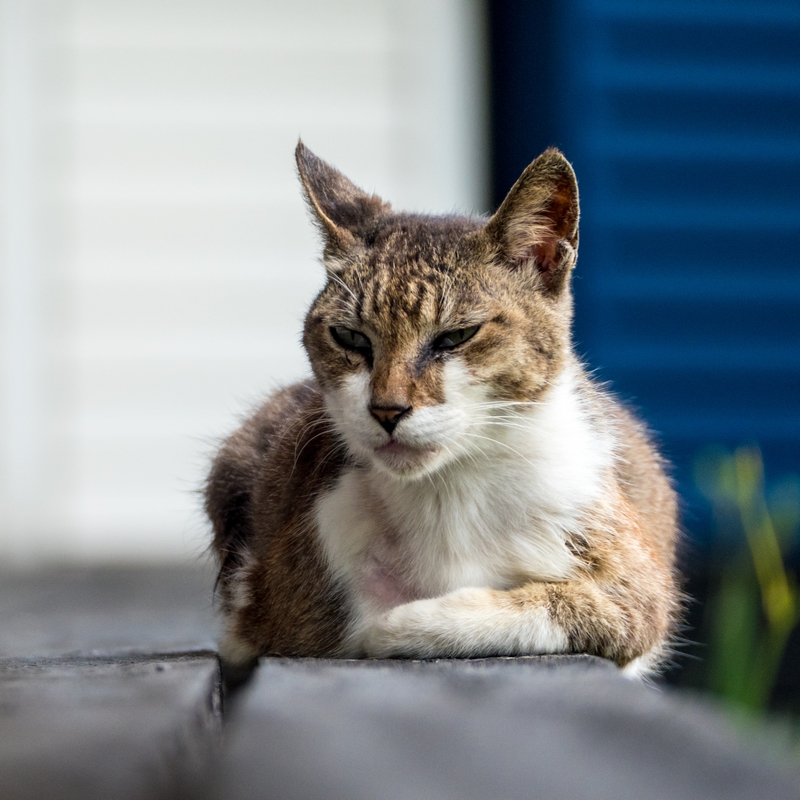
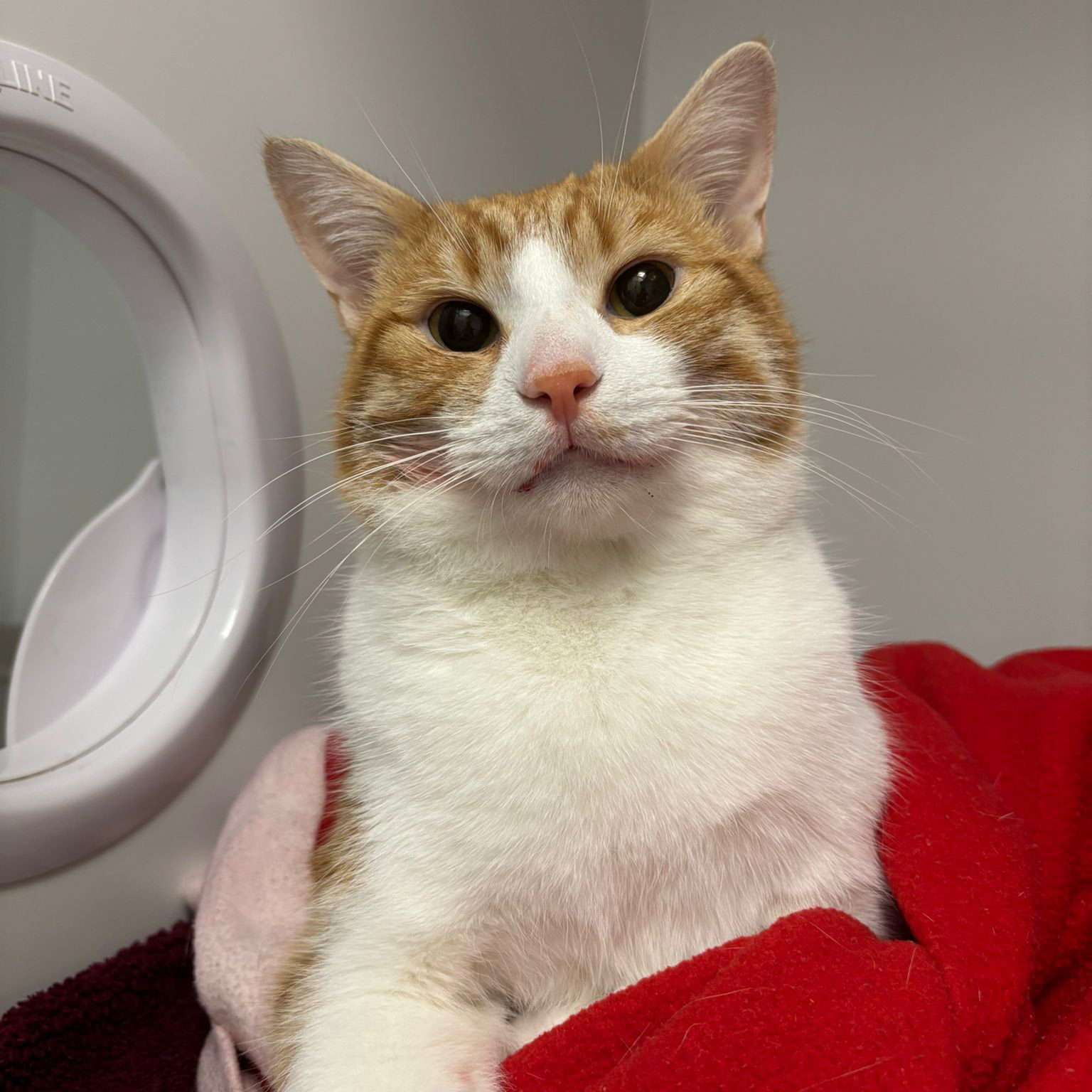
Hyperthyroidism (having an overactive thyroid gland) is a very common condition in cats. Ageing cats are more likely to suffer from hyperthyroidism, usually as a result of a benign overgrowth of the thyroid gland which is located in the neck. In a small number of cases, hyperthyroidism is the result of a malignant tumour of the thyroid gland.
Thyroid hormone is responsible for regulating metabolic rate and balancing many processes the body undergoes day to day. Cats with hyperthyroidism may experience
Weight loss
Vomiting
Increased vocalisation
Anxiety
Increased appetite
Poor haircoat
If your vet suspects hyperthyroidism they will recommend a full blood panel to check kidney values, red and white blood cell counts and thyroid levels.
Hyperthyroidism can cause increases in blood pressure and changes in heart rhythm. Your vet might recommend a blood pressure check and chest x-rays or a heart ultrasound to assess for these.
Treatment
Medical treatment involves daily or twice daily administration of oral medication to suppress the production of thyroid hormones. Monitoring of bloodwork is necessary during treatment as untreated hyperthyroidism can mask kidney disease and this may become apparent after treatment. It is also important to monitor the response to treatment by rechecking thyroid levels and keep an eye on red and white blood cell counts.
Surgical treatment and radioactive iodine are more permanent treatment options and if your vet feels your cat is a candidate for these treatments they will discuss them with you.
What You Should Do
If your cat is displaying any of these symptoms, please phone the clinic for advice!