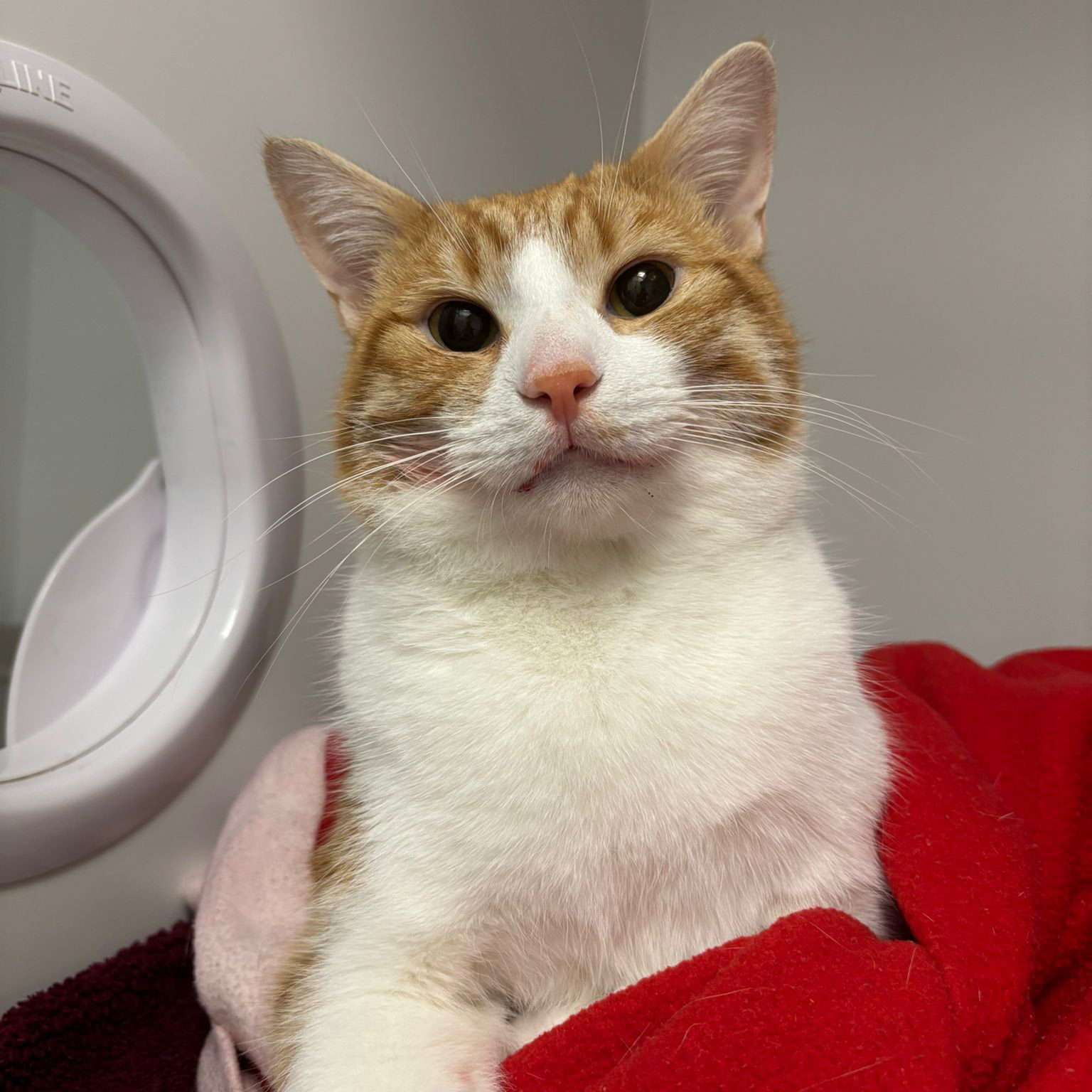
Chronic kidney disease is extremely common in cats with increasing frequency in cats over 7 years of age.
Signs of chronic kidney disease include:
Weight loss
Poor appetite
Vomiting
Lethargy
Increased thirst
Increased urination
Though some cats can have advanced kidney disease and show few to no signs.
When healthy, kidneys play a role in:
Excreting toxins
Regulating blood pressure
Regulating water balance
Regulating calcium
Regulating electrolytes like sodium and potassium
Producing hormones
Diagnosis of kidney disease is made using bloodwork. Your cat might be diagnosed with kidney disease following a screening panel taken during their check up or your vet might have suspected kidney disease based on the history you provided and your cat’s physical exam.
Treatment
Following the diagnosis of kidney disease, your vet may want to check:
A more comprehensive blood panel to assess calcium, phosphorus, potassium and a red blood cell count. All of these can be affected as a result of kidney disease. Additional blood tests can help to stage your cat’s kidney disease also.
Blood pressure can be high secondary to kidney disease. This has negative effects on the heart, eyes and can further damage the kidneys. If your cat’s blood pressure is high they may need specific medication to manage this.
Urinalysis can be used to detect urinary tract infections and protein in the urine. Both of these are important to manage to slow progression of kidney disease.
Ultrasound examination of the kidneys can be used to detect infection, cysts, stones or masses which may have caused the kidney disease. These need specific treatments.
Based on the findings of these diagnostics your vet may recommend
A prescription diet containing antioxidants and essential fatty acids to protect against further damage to the kidneys. High quality protein in low amounts reduces work that the kidneys have to do. The prescription diet also takes altered calcium, phosphorus and potassium levels into consideration.
If your cat is very unwell or dehydrated when their kidney disease is detected, your vet may recommend intravenous fluids and hospitalisation to monitor them and provide nutritional and supportive care.
Prognosis
The prognosis varies widely for kidney disease and depends on a number of factors. Your vet can talk to you about expectations for your cat based on their examination and diagnostics.
What You Should Do
If your cat is displaying any of these symptoms you should contact your veterinarian as early diagnosis and treatment is essential.